
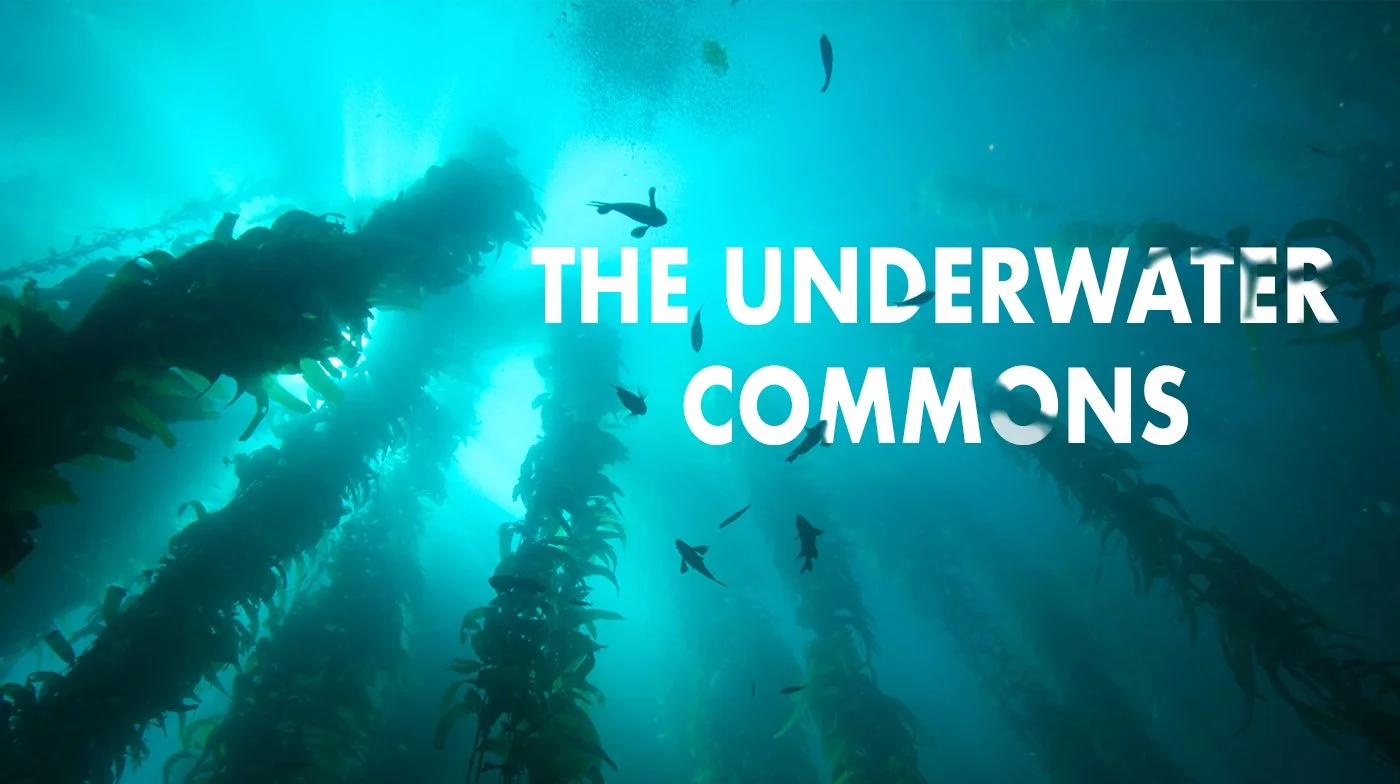
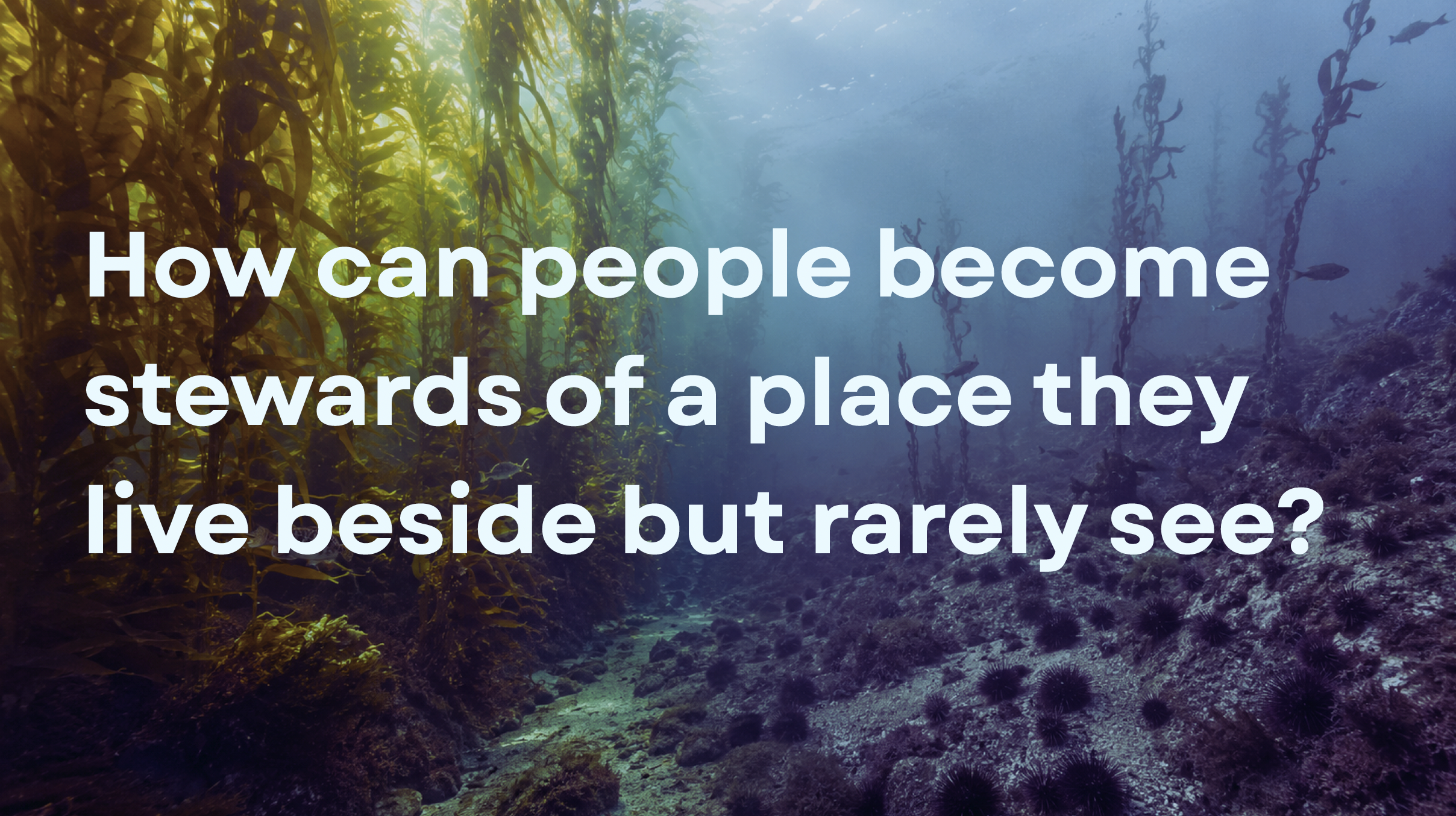
Giant Kelp Forests along the Pacific and Indian Ocean form some of the most biodiverse and ecologically critical ecosystems on the planet. As keystone habitats, they are rich oxygen producers, form massive sites for Carbon Sequestration (CS) and Carbon Dioxide Removal (CDR), protect coastlines from tsunamis, offer a new source of clean fuel, and provide many other environmental benefits. However, sudden changes in ocean temperature, salinity, bacteria blooms, and the collapse of keystone predator populations have decimated these forests, leaving coastal communities vulnerable and ecologically out of balance. Just in the coast of California, kelp forests have seen a rapid decline areas seeing over a third to almost 95% of the kelp forests collapsing. In addition to the innumerable benefits to marine life kelp forests provide, these underwater forests are a powerful asset for climate resilience. However, the key challenge is that despite over 750 million people living beside these ecosystems, most have never experienced them - and without that connection, stewardship is nearly impossible to inspire.
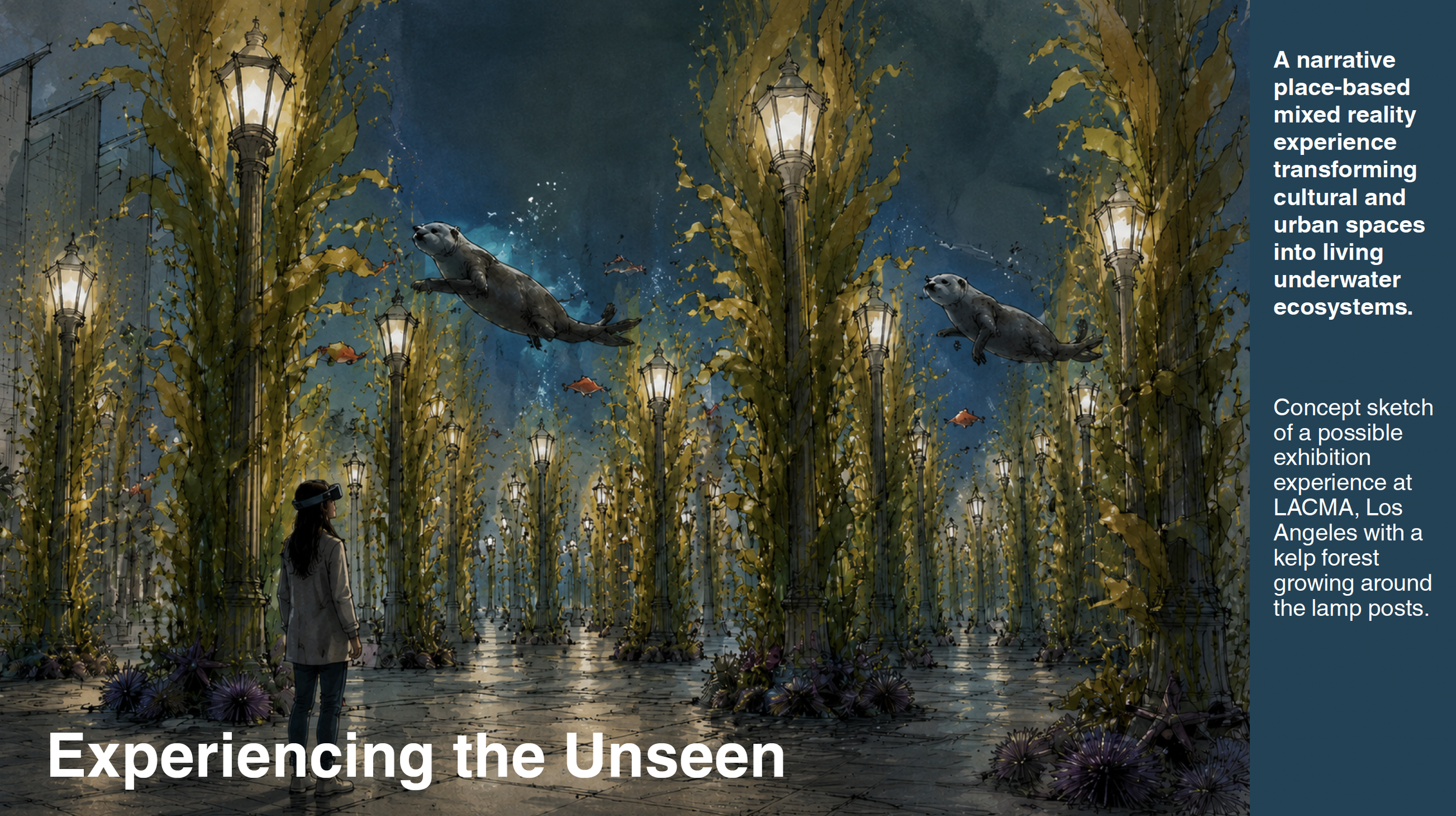
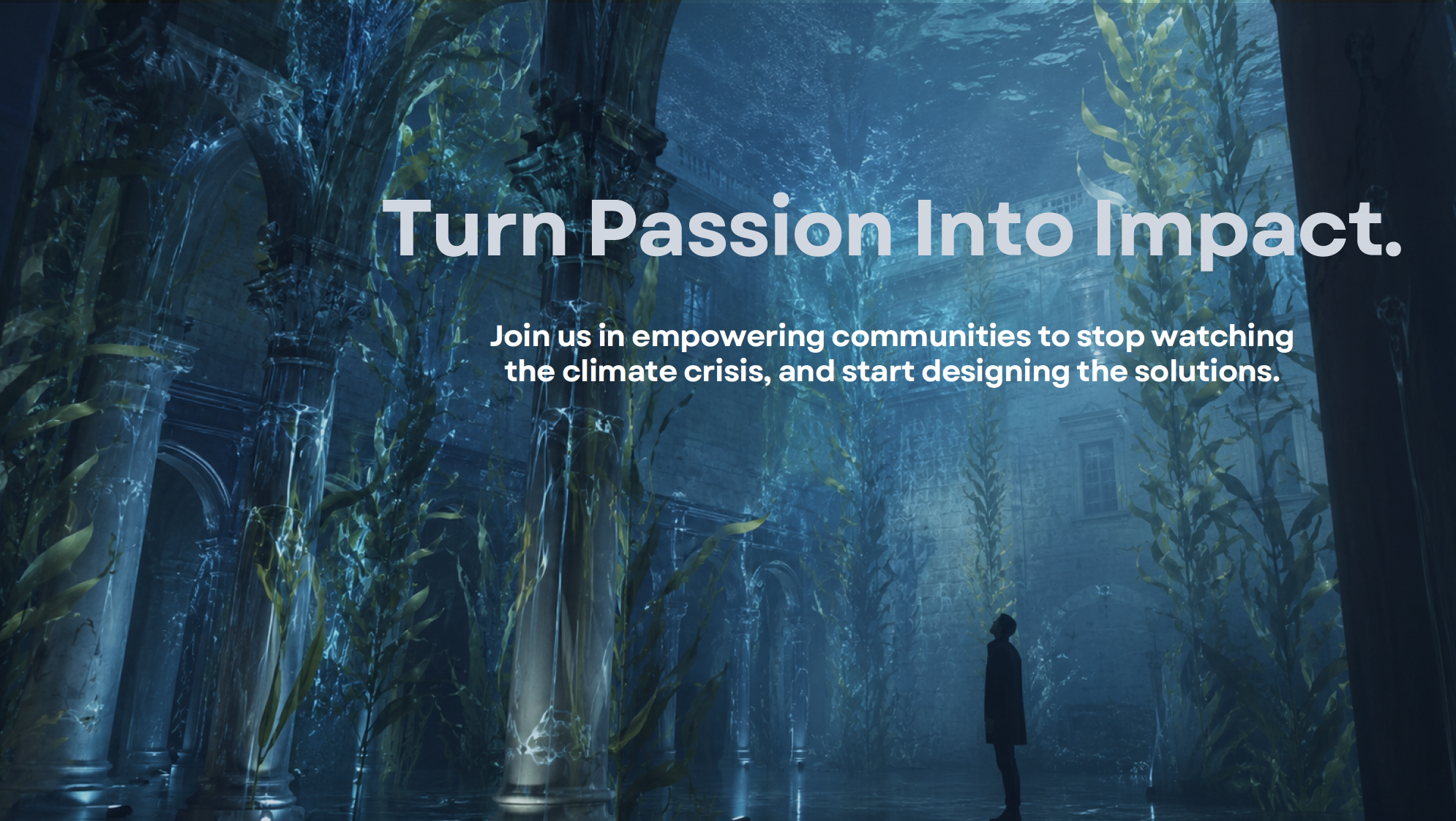
This is where immersive media offers an opportunity: an underwater world that most people will never enter can be made present, felt, and real through an embodied experience.
The Underwater Commons begins from the belief that immersive media can help build that pathway from awareness to collective action.
The overarching vision of The Underwater Commons is to use immersive storytelling as a bridge into not just community-led problem-solving, but into real action and meaningful change. Rather than treating visitors as isolated individuals or passive audiences, The Underwater Commons orchestrates the diverse skillsets and motivations of individuals to bring about larger scale change. It treats each participant as one part of a larger collective where communities share their ideas, interventions, and lessons with other places facing similar ecological challenges. It provides the scaffolding, shared tools, and structure needed to turn personal concern into locally meaningful action.
The simulation is the embodied story that kicks off this process. Participants test possible futures by playing with its parameters and building a mental model of an interconnected living system. From there, they move into persistent collaborative spaces where local concern can become collective stewardship. The deeper design goal is to build a social and civic infrastructure that helps people act together.
THE TEAM
Tommy Sharkey, Project Lead | Tommy Sharkey is a multidisciplinary designer, developer, artist, and researcher investigating 3-dimensional space and its ability to enable human endeavors and promote socially responsible and ecologically sound systems of the future. His work is in use by the US Navy, some of the largest companies in the world, and has been shown at SXSW, the New Museum, Times Square, World Economic Forum, Strategic Growth Forum, SIGGRAPH, and numerous research venues.
Dr. Janet Johnson, Lead Researcher | Janet Johnson is a mixed-methods researcher and Postdoctoral Fellow at the University of Michigan. She will soon join the University of Canterbury in New Zealand as a faculty member in the School of Product Design, where she will lead a research program on intelligent collaborative spaces. Her work is grounded in the belief that human collaboration is one of our most powerful tools for tackling complex problems - and that the spaces we design for it fundamentally shape how we work together and what we can achieve.
Elizabeta Betinski, Creative Producer | Founder and director of bardoLA, Elizabeta has over twenty years of experience in producing and curating site-specific exhibitions. Her projects have been presented around the world, from the California Desert to the Pyramids of Gyza and Venice, Italy (Venice Biennale and Venice Film Festival Immersive).
Mohammad Sedarat, Climate Partner | Mohammad is a marine scientist at Scripps Institution of Oceanography, where he studies the climate resilience, restoration, and management of Southern California kelp forests.
You can support THE UNDERWATER COMMONS with a tax-deductible donation to bardoLA - donation options are available on our Support page.